

Environment
MMA issues final notice for Deep-Sea Mineral Leases Near American Samoa

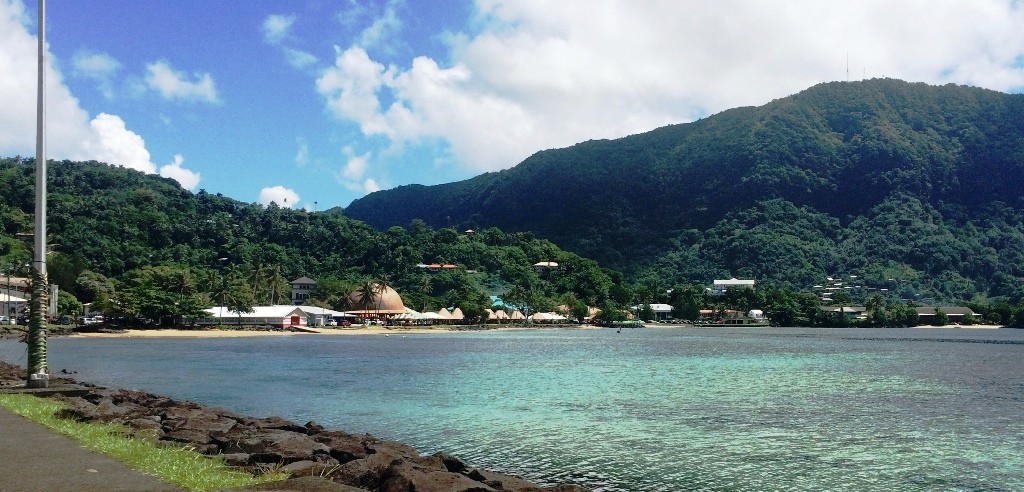
Pago Pago, AMERICAN SAMOA – The Trump administration has scheduled the first offshore mineral lease sale in U.S. history, opening more than 31 million acres of seabed near American Samoa to companies seeking critical minerals from the deep ocean.
The Department of the Interior’s Marine Minerals Administration (MMA) on Monday issued its Final Leasing Notice for the November 19 auction, clearing the final major administrative step before companies can bid on rights to explore and potentially develop mineral deposits on the U.S. Outer Continental Shelf.
The sale, designated PACM-1, includes two lease areas covering approximately 31.5 million acres. The larger area encompasses 16.3 million acres, while the second covers 15.2 million acres.
Under the final lease terms, each area carries a minimum bid of $3 million and a primary lease term of 20 years. Production royalties would begin at 2% for the first five years of commercial mining, increasing to 5% thereafter.
The areas contain potential deposits of polymetallic nodules which can hold valuable minerals including nickel, cobalt, copper and manganese. The Trump administration has made expanding domestic supplies of critical minerals a national security priority, particularly as it seeks to reduce reliance on China-dominated supply chains.
“Critical minerals are no longer just commodities; they are a vital strategic asset in global competition,” said acting MMA Director Mike Olsen.
Olsen said the agency also recognizes the cultural, economic and environmental importance of the waters surrounding American Samoa and would balance mineral development with environmental safeguards and engagement with local communities.
Importantly, winning a lease would not immediately authorize mining. According to MMA, leaseholders would initially be permitted to conduct preliminary activities such as mapping and environmental surveys.
More extensive exploration, testing and commercial mineral extraction would require separate federal approvals and environmental reviews.
Source: NHK News











Feiloaiga a le Afioga ile Palemia ma le Vasega o Tusitala & Au Faasalalau – 2 Aperila

Lavasiga o le Aso: 06 Faamasinoga, HRPP SUPA, Vaalele Fou, Ola Faalagolago – 22 Iuni 2025


