

Media
OPINION: Media Responsibility and the Question of Influence

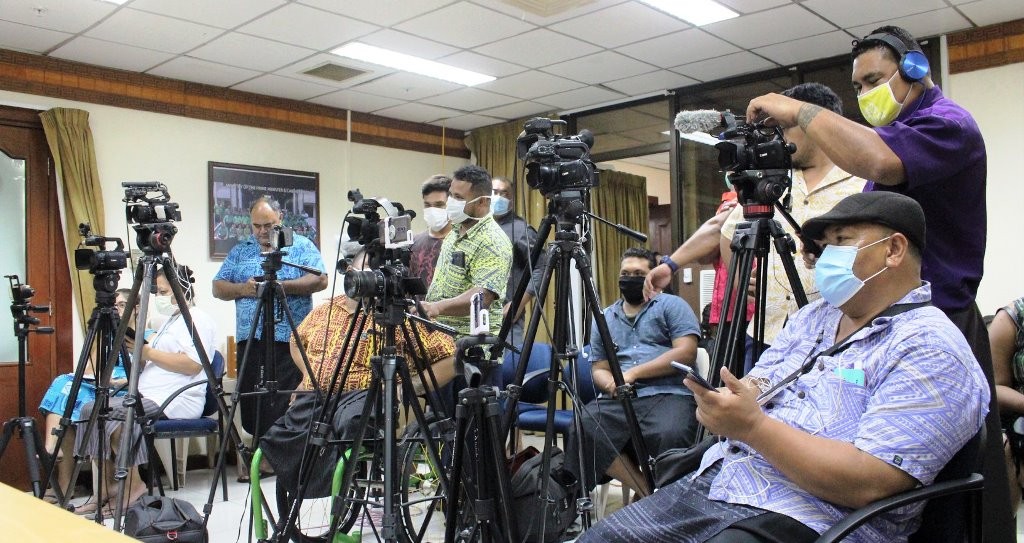
We publish below an Opinion piece submitted by a member of the public/
Recent attention has focused on the Samoa Observer and its coverage of alleged dealings between Toelupe and Tuiloma. Some have described the newspaper’s current investigations as a “fishing expedition,” raising wider questions about the balance between legitimate journalism and political influence.
At the heart of the matter is that Tuiloma himself has publicly denied any corrupt arrangement or wrongdoing.
When a person directly implicated in such allegations provides a clear denial, fair reporting requires that it be given equal prominence and consideration. This principle of balance lies at the core of ethical journalism. It ensures that the public receives not speculation, but truth tested by evidence and context.
Concerns have also been raised about the Observer’s attendance at HRPP caucus meetings — sessions that are typically private and reserved for party members.
If confirmed, this would be an unusual development and one that warrants scrutiny. It invites reasonable questions about whether such access is part of a mutual understanding or arrangement, and whether it might influence editorial focus. Even the appearance of such coordination risks undermining confidence in both the political process and the media’s independence.
Further compounding these concerns is the recent article suggesting that Agafili Shem Leo attended a meeting to advise the Prime Minister not to attend official events.
That supposed meeting has since been described as a “phantom meeting” — one that never took place.
If this is the case, the reporting may have unfairly portrayed the Prime Minister in a negative light, contributing to a misleading public perception.
Viewed together, these actions and narratives appear aimed at casting the new Government in a poor light and at shaping political opinion in a way that could influence public confidence.
While a free press is vital to democracy, with that freedom comes the obligation to uphold fairness, accuracy, and transparency — values that protect the media’s own credibility and safeguard the integrity of public discourse.
The Samoa Observer has a respected history as a platform for open discussion and public accountability. Its role remains essential in a healthy democracy.
Yet, as with all institutions of influence, its power carries responsibility. When the line between critical journalism and political campaigning becomes blurred, the public loses the clarity it deserves.
In the end, Samoa needs both a strong press and a stable government — each operating independently, but with mutual respect for truth and the people they serve.
True freedom of the press must always be guided by integrity, and true leadership must always welcome fair scrutiny grounded in fact, not fiction.









Feiloaiga a le Afioga ile Palemia ma le Vasega o Tusitala & Au Faasalalau – 2 Aperila

Lavasiga o le Aso: 06 Faamasinoga, HRPP SUPA, Vaalele Fou, Ola Faalagolago – 22 Iuni 2025


