

Economy
Government urge public not to stockpile fuel as supplies remain stable

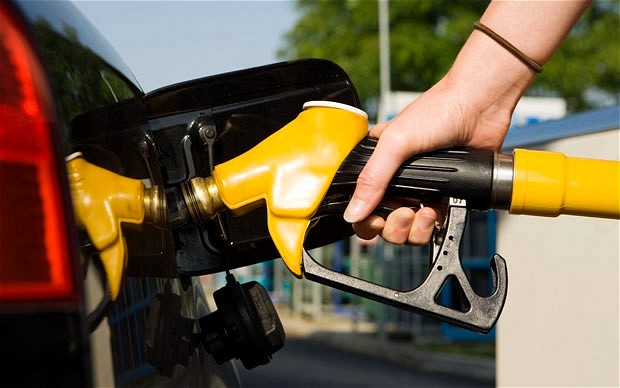
Apia, SAMOA – 31 March 2026 – The Government has confirmed that the national fuel stocks are expected to remain at comfortable levels, with petrol and diesel projected to cover approximately 50-60 days, and jet fuel/kerosene up to 80 days.
This follows the departure of the fuel tanker that arrived on 24 March 2026 to replenish supplies with another firmed fuel tanker scheduled to arrive in early May 2026, with a tentative fuel supply expected in early June 2026.
The Ministry of Finance that oversees the country’s fuel supplies, says while global uncertainty remains particularly regarding tanker movements through the Strait of Hormuz, there is currently no immediate threat to fuel availability in Samoa.
The ongoing Iran/US/Israel conflict is disrupting global crude oil supply chains, driving significant increases in international fuel prices and raising concerns over supply security worldwide.
Pacific countries, including Samoa, are closely monitoring these developments due to potential impacts on fuel supply continuity.
The Ministry emphasized that at this time, the public is encouraged to remain calm and use fuel responsibly.
ADVISORY TO SERVICE STATIONS AND THE PUBLIC
The Petroleum Task Force (PTF), in coordination with the contractor. Petroleum Products Supplies (PPS), is actively monitoring fuel distribution nationwide. Service stations are to continue normal operations while maintaining appropriate control over fuel sales.
Motorists and businesses are strongly urged to purchase fuel responsibly. There is no current fuel shortage in Samoa.
However, panic buying and unnecessary stockpiling place avoidable pressure on supply and may restrict access for essential services and other members of the public. The public is also reminded that fuel hoarding is illegal and presents serious fire and safety risks.
Service station operators are legally responsible for ensuring that fuel sales do not contribute to unsafe handling, illegal storage, or excessive stockpiling. Operators are encouraged to rely on their knowledge of regular customers and normal purchasing patterns to manage fuel distribution responsibly.
The use of small, approved containers (e.g. 5-litre containers) is permitted only where containers are safe and for legitimate use. Service stations must refuse any sale involving unsafe, excessive, or unsuitable containers, or where there are concerns regarding improper storage or handling.
Maintaining safety at all times is critical to protecting both the public and service station personnel.











Feiloaiga a le Afioga ile Palemia ma le Vasega o Tusitala & Au Faasalalau – 2 Aperila

Lavasiga o le Aso: 06 Faamasinoga, HRPP SUPA, Vaalele Fou, Ola Faalagolago – 22 Iuni 2025


