

Politics
Central Bank Amendment Bill 2026 passes 2nd reading and moves for Committee review

Staff Reporters/
Apia, SAMOA – 22 August 2026 – The Central Bank of Samoa Amendment Bill 2026 passed its second reading yesterday despite strong opposition from the HRPP Opposition Party and independents. The Bill provides an Independent Chairperson who leads the Board in carrying out its governance and oversight responsibilities.
Under the existing Act, the Governor also chairs the Board.
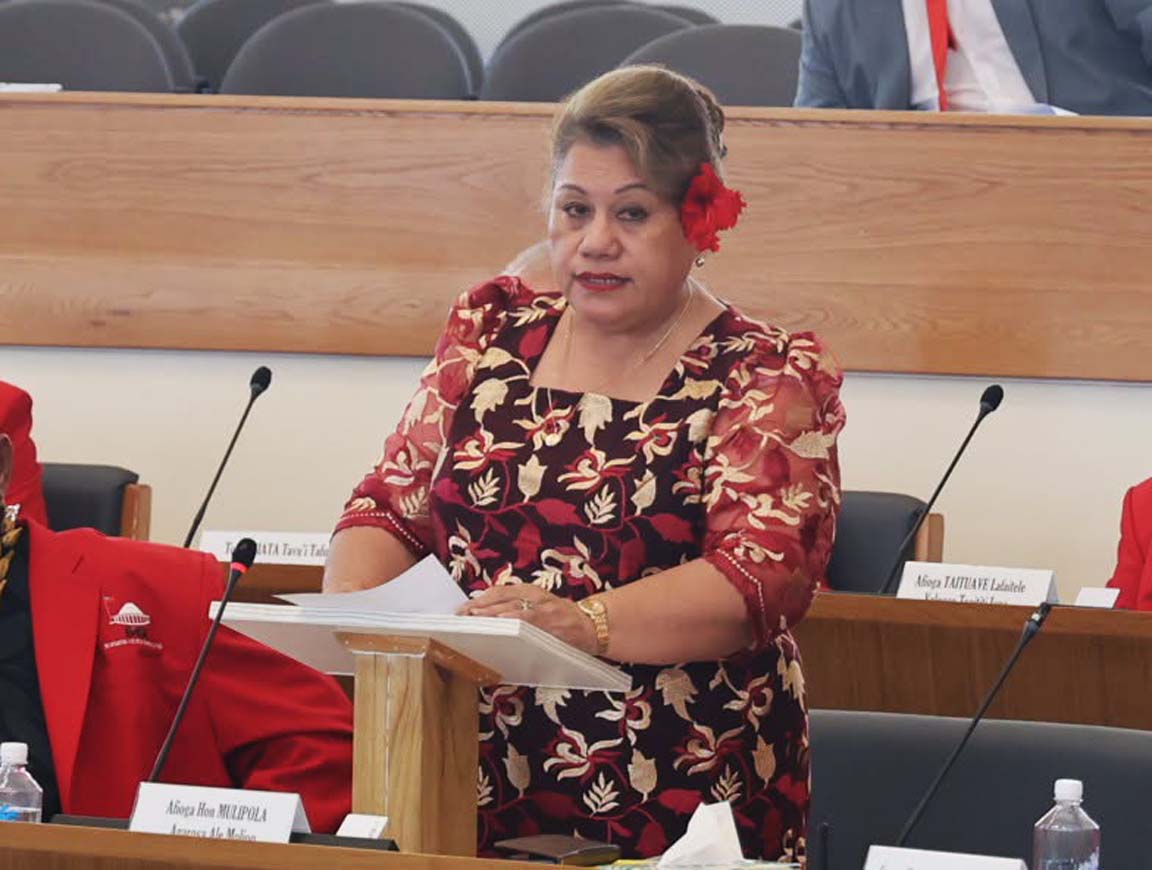
The Minister of Finance, Mulipola Anarosa-Ale Molioo clarified in parliament that the separation is an important good-governance safeguard. It prevents the same person from both managing the institution and leading the body responsible for supervising and assessing that management.
“The amendment corrects that weakness by separating the two roles,” said the Minister.
Mulipola also clarified that the Independent Chairperson cannot direct the Governor on the Bank’s daily operations and cannot independently make decisions for the Board.
“Decisions must be made collectively, in accordance with the Act, by a Board containing a clear majority of independent non-executive directors,” she said.
Under the Bill, the Chief Executive Officer of the Ministry of Finance is only an ex officio member. The Chief Executive Officer has no vote, does not count towards the quorum and cannot serve as Chairperson or Acting Chairperson.
The Bill also expressly prevents the Minister, the Ministry or its Chief Executive Officer from directing, controlling, approving, rejecting or delaying the Bank’s decisions, except where the law expressly provides otherwise.
In response to members concerns raised about removing the Governor, Mulipola emphasized that under the Bill, the operational independence of the Governor is also expressly protected.
“A disagreement concerning monetary policy, exchange-rate policy, supervisory policy or financial-stability policy is not misconduct, poor performance or a lawful ground for removing the Governor.
“This means that neither the independent Chairperson nor the Government can remove the Governor merely because they disagree with a policy decision properly made in the exercise of the Bank’s statutory responsibilities.”
The Minister emphasized that the independent non-executive Chairperson is not a doorway for Government interference. Rather it is a barrier against the concentration of power and a safeguard for proper oversight.
This amendment does not give the Government greater control over the Central Bank. It places clearer limits on Government involvement, strengthens independent oversight and protects the Governor’s operational responsibilities.
After a robust three-day debate, parliament was called to vote on the Bills second reading late yesterday morning.
However, the Leader of the Opposition, Tuilaepa Sailele Malielagoi, told parliament that the Opposition remains opposed and wanted to record their opposition by voting enmasse against it.
The Speaker of Parliament, Auapaau Aloitafua Mulipola clarified that he had allowed all the members the chance to air their views as it was important for their constituents to listen and hear their views on the bill and said he had nothing against the Opposition Leaders proposition.
After parliament passed the Bill’s second reading, it now goes to the Finance Parliamentary Committee for review and consultations and to report back to parliament for the third and final reading in a future session of parliament.
Parliament is adjourned until the October session.












Feiloaiga a le Afioga ile Palemia ma le Vasega o Tusitala & Au Faasalalau – 2 Aperila

Lavasiga o le Aso: 06 Faamasinoga, HRPP SUPA, Vaalele Fou, Ola Faalagolago – 22 Iuni 2025


