

Community
17 Years After the 2009 Tsunami, Samoa Strengthens Community Preparedness

By Jeannie Penehuro/
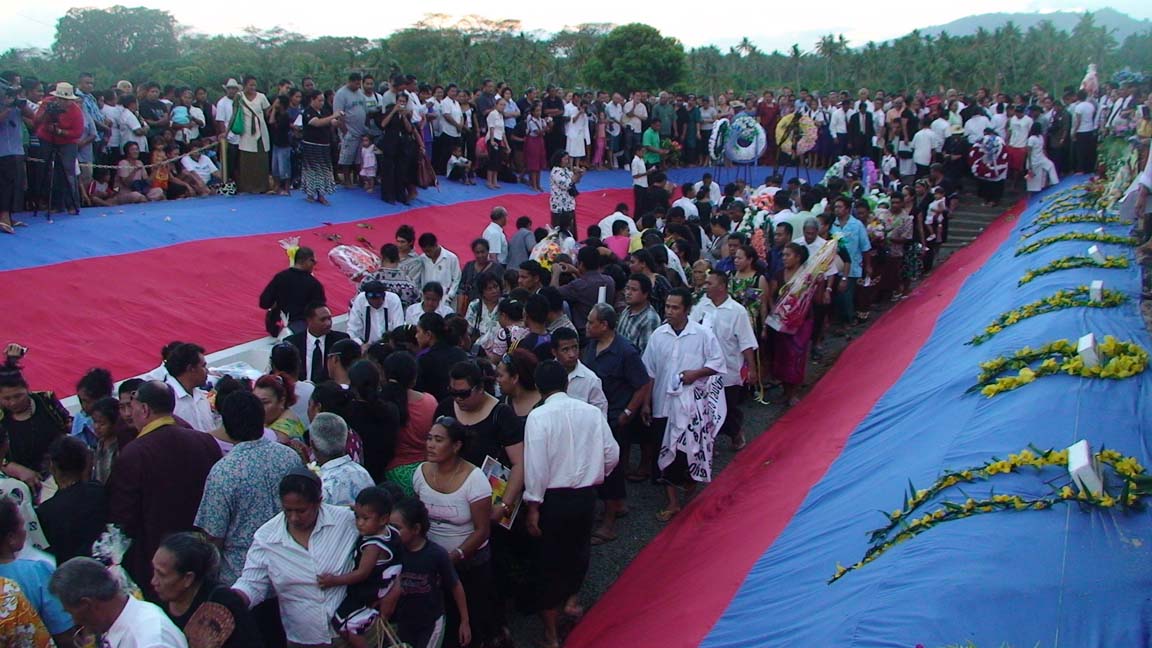
Apia, SAMOA – 30 September 2026 – Seventeen years after a powerful earthquake triggered a devastating tsunami that claimed 149 lives in Samoa, 17 villages have been recognised for strengthening their preparedness for future tsunami threats.
The recognition was presented Tuesday at Taumeasina Island Resort through the Tsunami Ready Recognition Program, implemented by the Ministry of Natural Resources and Environment (MNRE) in partnership with the United States of America and UNESCO.
The timing of the recognition carries particular significance as Samoa marks 17 years since the 29 September 2009 tsunami tat claimed 149 lives.
The tsunami followed a magnitude 7.9 earthquake on 29 September 2009 produced strong shaking that lasted for at least 60 seconds, while some eyewitnesses reported that the shaking continued for more than two minutes.
The tsunami reached Samoa, American Samoa and Tonga between 10 to 20 minutes causing deaths and casualties in American Samoa and Tonga and damage in Wallis and Futuna.
The events of 2009 continue to underline the importance of community awareness knowing what to do when there is a major earthquake and the potential of a tsunami threat.

This year’s recognition therefore places the focus on preparedness at village level, where clear warnings, evacuation plans, community coordination and awareness can play an important role in an emergency.
At the ceremony, H.E. Matthew Younger, Chargé d’Affaires, highlighted the wider significance of actions taken at the community level.
“Through local actions we’re making a global impact,” he said.
The 17 villages mostly affected were recognised for their efforts to improve their readiness and strengthen their capacity to respond to tsunami risks.

The Minister of the Environment, Ale Vena Ale stressed that being recognised as a Tsunami Ready Community does not mean a village is protected from the threat of a tsunami.
“Tsunami Ready Community” does not mean that a community is tsunami-proof. No community can eliminate the threat posed by natural hazards,” he said.
Instead, he said the recognition reflects practical steps taken by communities to understand their risks, strengthen preparedness and improve their ability to respond effectively to a tsunami.
The Minister also emphasised the importance of remaining aware and prepared, reinforcing the need for communities to continue building on the work already undertaken.
The 17 recognised villages are spread across the southeastern side of Upolu Island including Vailoa, Ulutogia, Lalomanu, Samusu, Ti’avea, Amaile, Sale’aumua, Utufa’alalafa, Lotopu’ē, Malaelā, Mutiatele, Satitoa, Aufaga, Lepā, Saleapaga, Si’upapa and Vaigalu.
The Minister thanked representatives of the 17 villages for their commitment and coordination in preparing their communities for future tsunamis.
He also acknowledged UNESCO and the United States for their continued partnership in strengthening Samoa’s tsunami preparedness and safety.










Feiloaiga a le Afioga ile Palemia ma le Vasega o Tusitala & Au Faasalalau – 2 Aperila

Lavasiga o le Aso: 06 Faamasinoga, HRPP SUPA, Vaalele Fou, Ola Faalagolago – 22 Iuni 2025


